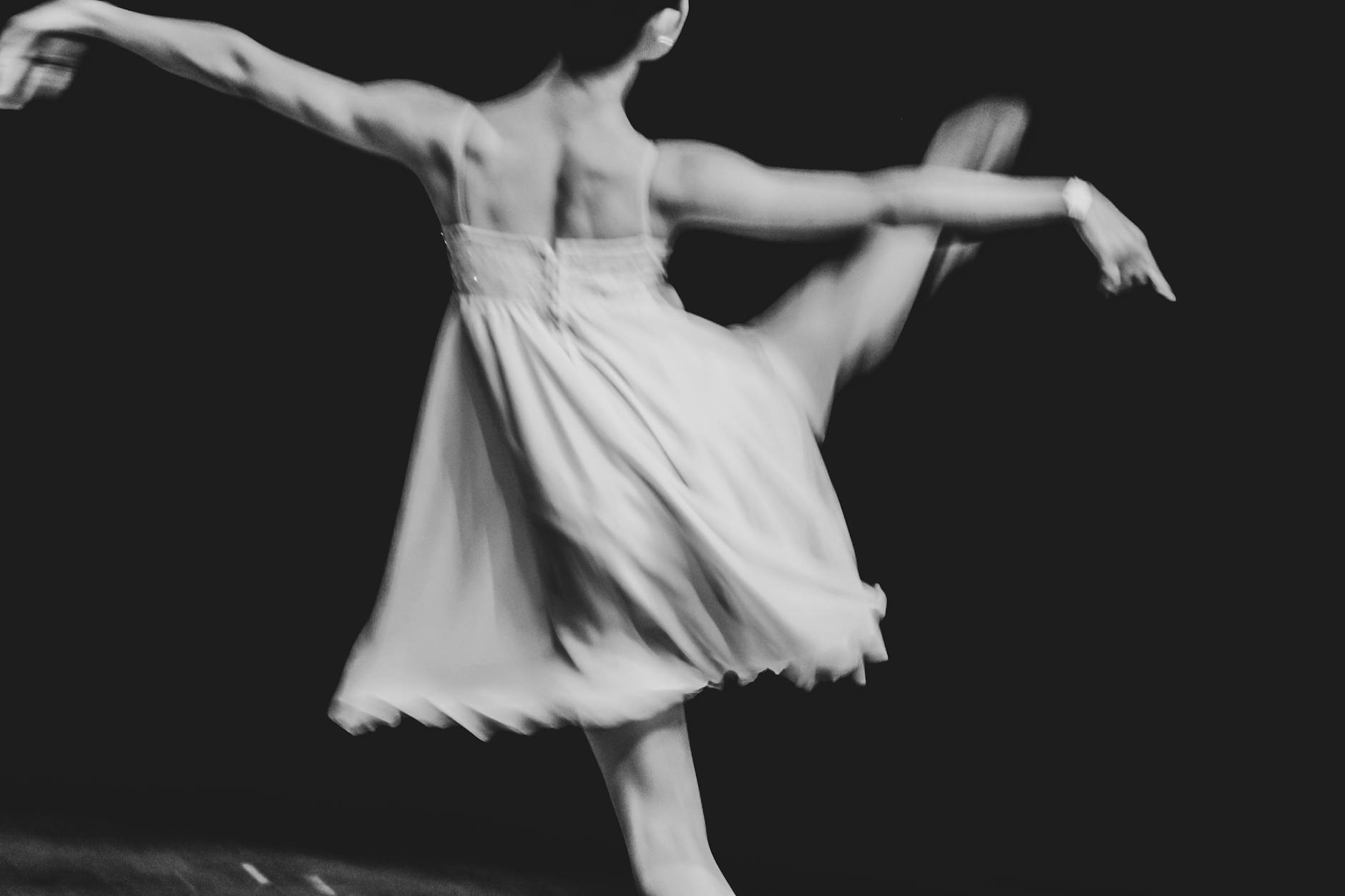
Being a ballerina is a very unique career choice, one that involves intense discipline and skill. However, it is also a short, financially unstable career where many dancers ‘retire’ by their 30s.
But what do dancers pursue after ballet?
Because many dancers start training at a young age, some as young as 3 years old, by the time they reach a professional level, their work ethic and level of discipline is well above the average person. That high achieving frame of mind is key to success in high level disciplines, which could be why many ex-dancers thrive in STEM after their careers.
Here’s a spotlight shined on 3 dancers who have taken the leap from the stage to the laboratory.
1. James Shee
James Shee is an assistant professor of Chemistry at Rice University. However, In his early adulthood he danced as a trainee at San Francisco Ballet and as a company artist at the National Ballet of Canada.
He then studied at Princeton and went on to study a PhD from Columbia University focused on computational chemistry, afterwards completing a postdoc at University of California, Berkeley.
In grad school, Shee was able to tie his two passions together and study while working as a ballerina at night, proving that keeping a foot in the door for both fields is attainable.
2. Annika Bounkeua
Annika Bounkeua trained at Queensland Ballet but suffered an injury while dancing, leading her to make the hard decision to change careers.
However, her injury sparked an interest in working in the medical field, which led to the pursuit of a Bachelors of Biomedical Science from QUT. Annika recently completed her postgraduate studies with a Doctor of Medicine and is eager to work in a field which is constantly changing and giving back to others.
3. Beatriz Stix-Brunel
Beatriz Stix-Brunell danced with the Royal Ballet in London for 11 years, one of the most prestigious ballet companies in the world. She rose to the rank of first soloist and performed many soloist roles.
Upon retiring, Beatriz enrolled at Stanford University as a major in Symbolic systems. She compares the adrenaline of performing to the pressure of academic exams. After a huge career dancing, she is excited to rediscover herself and feels like studying at Stanford is the start of a second life.
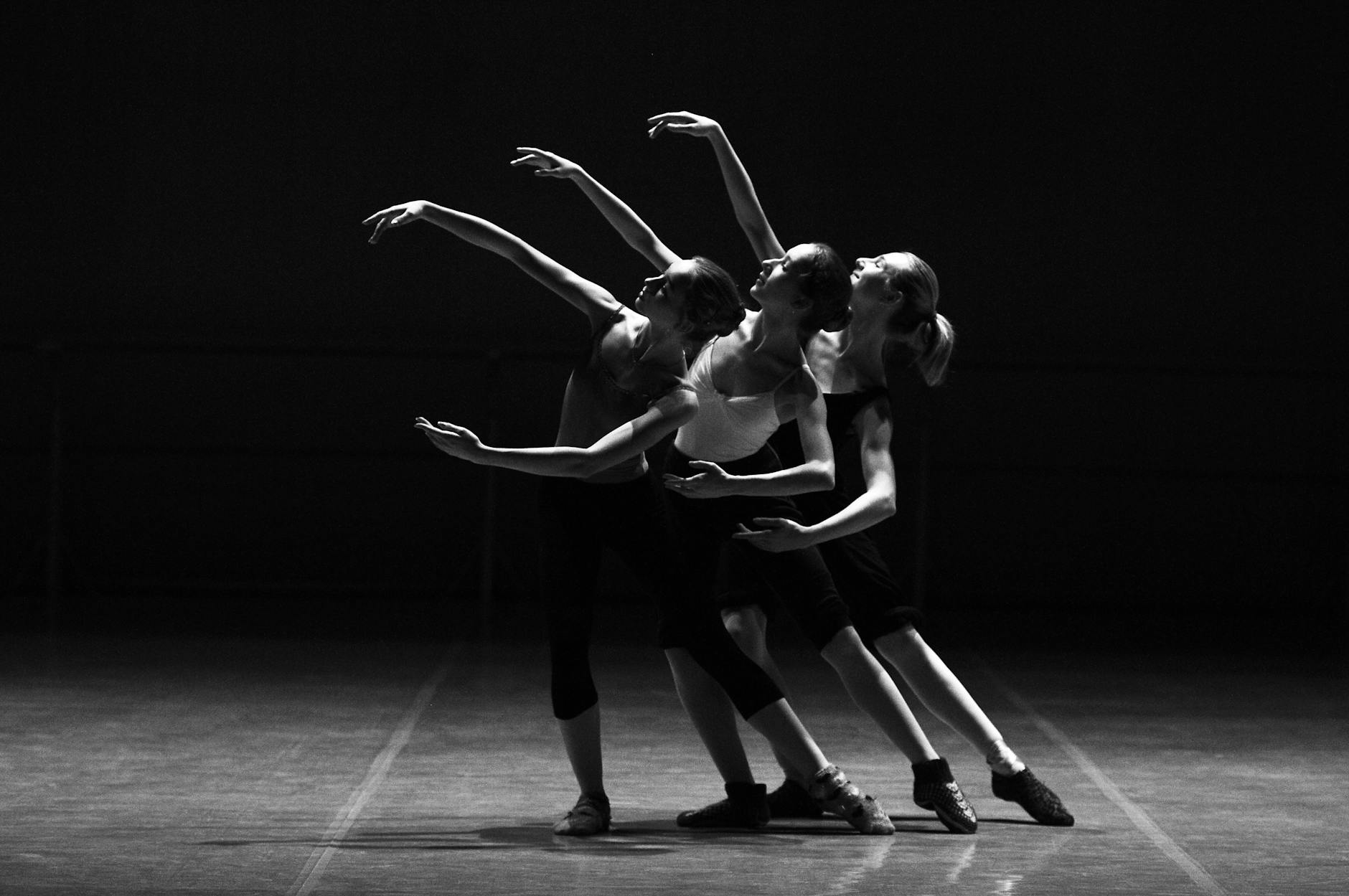
So often dancers are told they have to sacrifice everything to be successful in the ballet world, and once that journey comes to an end, what comes next?
But the bottom line, James, Annika and Beatriz are just a small picture of the possibilities when you allow yourself to dream again and strive to continue becoming the best version of yourself.
The ballet and science worlds are quite different, but both require high levels of discipline and an eagerness to grow, which may explain the common crossover between these two fields. Ultimately, we don’t have to put limits on ourselves in order to fit the popular narrative.
So, if you allow yourself to continue dreaming, where could you end up?



Leave a comment